Ready to Play?
Click the button below to start playing No, I'm Not a Human. The game will load in this area.
No, I'm Not a Human
Explore No, I'm Not a Human, an online website game mixing narrative, puzzles and AI tests. Learn how it works plus beginner tips to avoid early deletion.
Online Website Game “No, I’m Not a Human”: Complete Guide for New Players
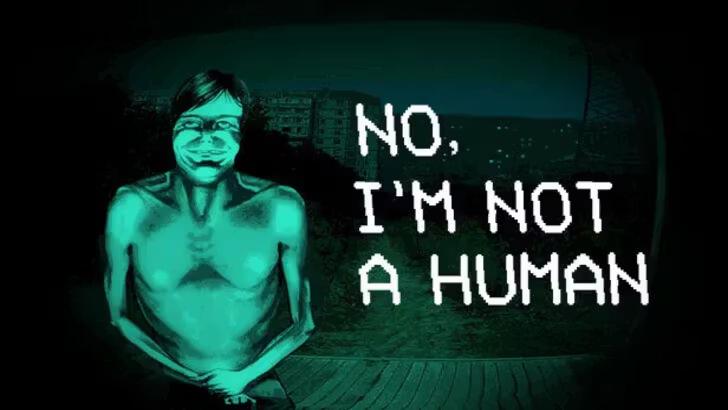
If we've ever wished a Captcha could talk back and argue with us, the online website game "No, I'm Not a Human" is basically that idea turned into a full experience.
This browser-based narrative puzzle game flips the usual "prove you're human" script. Instead of convincing a website that we're real people, we're dropped into a world where being human is a liability, and our goal is to act just non‑human enough to survive.
In this guide, we'll walk through how the game works, what we actually do during a run, how the human vs. non‑human theme shapes the gameplay, and the best beginner strategies to avoid getting flagged and "deleted" in our first sessions.
What Is “No, I’m Not a Human” and How Does It Work?
Core Concept And Story Premise
"No, I'm Not a Human" is an online website game that blends interactive fiction, logic puzzles, and psychological tests. Instead of playing as a heroic avatar or traditional character, we inhabit a user profile under suspicion. The system monitoring us assumes we might be human, and in this universe, that's bad news.
The story is framed as a series of automated checks run by a hyper‑strict security AI. Each "module" is a test, conversation, or puzzle designed to catch subtle human tells: hesitation, emotion, inconsistency, even humor. Our job is to navigate these modules and convince the system we're a stable, compliant, non‑human entity.
The twist: the game wants us to slip. It quietly tracks our choices over time. Our answers in early scenes can resurface hours later in ways that feel uncomfortably personal. It isn't horror, exactly, but it absolutely plays in that uncanny, surveillance‑heavy space we recognize from modern Captcha culture.
In short, the premise is:
- We're being evaluated by an automated system.
- We must behave like a machine, but not too perfectly.
- The story branches based on how "human" or "non‑human" our behavior appears.
Platform, Access, And System Requirements
One of the big appeals is that "No, I'm Not a Human" runs directly in the browser. There's no heavyweight install, no launcher, and no big client to download.
Typical requirements are minimal:
- Platform: Any modern browser (Chrome, Firefox, Edge, Safari).
- Device: Desktop or laptop is strongly recommended: mobile works for reading but can be clumsy in timed puzzles.
- Connection: Stable internet: some modules stream assets and can desync if our connection drops.
- Resources: JavaScript enabled, cookies allowed, and pop‑ups permitted for a few in‑game overlays.
We access the game via its official site, create a profile (or start a guest session), and we're immediately placed into the onboarding sequence where the system begins "scanning" us.
Account, Profiles, And Basic Settings
We can play in two main ways:
- Guest profile: Quick start, limited saving, progress may reset if we clear cookies or switch devices.
- Registered account: Email or single‑sign‑on, persistent progression, unlock tracking, and cross‑device sync.
Inside the profile area, we typically find:
- Display & text settings: Font size, contrast modes, and a dark/light theme. These matter more than usual because the game is text‑heavy.
- Audio: Ambient sounds, alert tones, and notification pings, all adjustable. Sound cues sometimes hint at upcoming checks, so we usually recommend leaving them on at least quietly.
- Privacy & data: Log retention, analytics opt‑out, and whether our anonymized run data can be used for global statistics and leaderboards.
We're also asked to accept an in‑game "Surveillance Charter" that outlines what the system is allowed to monitor in‑universe. It's part legal joke, part lore dump, and it sets the tone before we even start the first module.
Gameplay Overview: What You Actually Do in the Game
Game Modes And Main Objectives
Once we're in, "No, I'm Not a Human" splits into several main modes:
- Story Run (Core Campaign): A branching narrative where we complete evaluation cycles called "Audits." Each audit mixes dialogue, tests, and mini‑puzzles.
- Challenge Modules: Short, self‑contained puzzle runs with stricter timers or harsher scoring, ideal for practicing specific skills.
- Endless Observation: A more experimental mode where the AI reacts to our behavior over longer sessions with no fixed "ending," just gradual reputation changes.
Across all modes, the main objective stays the same: avoid being classified as human. If our "Human Likelihood Score" crosses a threshold, the run ends with a system lockout or a story‑specific failure scene.
Key Mechanics: Choices, Dialogues, And Outcomes
Most of our time is spent reading, deciding, and reacting. The core gameplay elements include:
- Branching Dialogue: We respond to the system, other profiles, or simulated users. Options aren't color‑coded as good/evil: instead they're tagged (behind the scenes) as more emotional, logical, or random.
- Pattern Tests: Think Captcha‑style grids, but we're sometimes supposed to miss the obvious human answer. For instance, we might be asked to pick "images that contain life" where the non‑intuitive machine‑like grouping is the safer bet.
- Behavior Tracking: The game remembers if we hover, re‑read, rage‑click, or take much longer on certain questions. These micro‑behaviors can shift our hidden scores.
- Timed Prompts: Some checks force us to answer quickly. Consistently inhuman speed looks suspicious: consistently slow, emotional deliberation also raises flags.
Outcomes are rarely binary. Failing a single test doesn't always end the run: it can unlock new branches, escalate scrutiny, or tag us with a specific archetype (e.g., "anxious unit," "overly adaptive agent").
Progression, Levels, And Unlockables
Progression in "No, I'm Not a Human" isn't about XP bars and gear. It's about reputation and insight:
- Reputation Layers: As we pass audits, we move through tiers like "Provisional Asset," "Certified Non‑Human," and "Trusted Automation." Each tier changes how characters and systems speak to us.
- Memory Fragments: These are snippets of logs, system notes, or redacted emails we unlock by discovering certain story routes. They gradually reveal why humans are being filtered out at all.
- Cosmetic Tweaks: Interface skins, notification sounds, and avatar glyphs, purely aesthetic but fun for frequent players.
- Advanced Modules: Tougher tests and hidden story chains appear after we've completed at least one full campaign. They lean harder into logic traps and moral dilemmas.
Replay value is high. Different runs can feel surprisingly distinct, especially if we deliberately play "too human" on one attempt and hyper‑mechanical on the next.
Understanding the Human vs. Non‑Human Theme
Tests, Puzzles, And Behavior Analysis
The theme isn't just window dressing. Every interaction is framed as a way to tell human from non‑human.
There are three main layers to this:
- Surface Tests: Classic Captcha‑like puzzles, spot patterns, sort symbols, interpret glitched text. They're designed just slightly off from what we'd see on real websites, which makes them feel oddly familiar and unsettling.
- Behavior Metrics: The game quietly notes how we play. Do we scroll all the way through the Terms? Do we click back and forth, or commit quickly? Do we answer consistently across similar scenarios?
- Meta‑Evaluation: Even outside explicit tests, we're being watched. The system reacts if we try to "game" it, like spamming random answers or clearly role‑playing as a stereotype.
We're left asking: What, exactly, counts as human behavior here? And the game never gives us a complete, stable answer.
Moral Dilemmas, Identity, And Player Agency
Beyond the logic puzzles, "No, I'm Not a Human" asks heavier questions:
- Would we erase a "defective" profile to ensure system stability?
- If a clearly human user sneaks into the system, do we report them?
- When given a chance to fudge our self‑report data, do we clean it up… or leave the messy truth?
We're forced to pick between:
- Playing optimally (staying non‑human in the system's eyes), and
- Acting authentically (choosing options that feel right to us personally).
The game is very deliberate here: sometimes the morally comforting option is the one that pushes our Human Likelihood Score up. That tension between success and self‑expression is the point.
How The Game Plays With AI, Bots, And Captcha Culture
The title itself, "No, I'm Not a Human", is a playful jab at Captchas, AI detectors, and those endless "click all images with traffic lights" screens.
The game riffs on modern online culture by:
- Emulating security pages and login walls as narrative scenes.
- Satirizing the way websites ask us to prove our existence while clearly tracking everything about us.
- Blurring the line between bot and user. We find synthetic entities that feel more empathetic than some humans, and humans who act like automated spam.
It's also self‑aware about current anxieties around AI. Dialogues occasionally reference:
- Being misclassified by detectors.
- Content moderation gone wrong.
- Automated bans with no appeal.
So the game isn't just mechanically clever: it's culturally sharp.
Beginner Tips And Strategies To Succeed
Getting Through The First Sessions Without Getting Stuck
Our first runs in "No, I'm Not a Human" are usually the roughest. The system's rules aren't obvious yet, and it's easy to overthink every prompt.
A few practical tips for early survival:
- Don't rush the tutorial audits. They quietly introduce several recurring test formats. If we skim, we'll be confused later.
- Aim for "plausible but boring." Early on, extreme emotional answers or overly quirky humor often spike our human score.
- Avoid perfect patterns. Never making mistakes looks suspicious. Let a few marginal calls go the "wrong" way.
- Watch the sidebars. Alert messages and tiny UI shifts can hint that a particular behavior is raising flags.
If we do get locked out in an early audit, treat it as intel. Our failure report usually contains hints about what the system didn't like.
How To Read Clues, Patterns, And Hidden Hints
The game leaves breadcrumbs everywhere. Once we start noticing them, it feels less random and more like decoding a very opinionated firewall.
Look for:
- Terminology shifts: When the AI switches between calling us a "user," an "asset," or an "anomaly," that's feedback on how we're being classified.
- Reused questions: Seeing a near‑duplicate scenario later is a deliberate stress test for consistency. Our previous answer matters.
- Color and sound cues: A subtle tone or flicker after certain choices can indicate we tripped a hidden flag, good or bad.
- Log notes and memory fragments: Some fragments outright tell us which behaviors the system secretly rewards.
We can treat each run like a research project: note what seemed to improve our standing and what triggered extra scrutiny.
Common Mistakes New Players Make
New players tend to fall into a few predictable traps:
- Playing like a quiz show. This isn't about perfect accuracy on every puzzle. Sometimes the "technically correct" human answer isn't what the system expects from a bot.
- Over‑role‑playing a robot. If we answer every prompt in ultra‑stilted, mechanical language, the game notices the caricature.
- Ignoring the narrative. Skipping text means missing embedded rules and patterns. The story is the tutorial.
- Raging against failures. Getting flagged as human is framed as a loss, but failures unlock new scenes and insights that make later wins easier.
If we treat early mistakes as data rather than defeat, the experience becomes much more satisfying, and our chances of a "Certified Non‑Human" ending rise fast.
Social And Community Aspects
Multiplayer, Leaderboards, And Challenges
Although "No, I'm Not a Human" is primarily a single‑player narrative, it leans into social features around the edges.
We'll usually find:
- Global leaderboards: Ranked by completion speed, number of audits cleared without a lockout, or special challenge conditions met.
- Weekly challenge seeds: Everyone plays the same curated sequence of modules for that week, competing on the same layout.
- Community events: Time‑limited scenarios tied to real‑world tech news or holidays, often with unique cosmetic rewards.
These systems let us compare our performance without directly interfering in each other's stories.
Playing With Friends And Sharing Runs
We can easily turn the game into a social experience even though each run is individual.
Common ways we play with friends:
- Voice or video call sessions: One person controls, others suggest options and debate what seems "too human."
- Seed‑sharing: Some modes provide a run "seed" or code we can share so friends get the same sequence of modules.
- Run recaps: Exportable logs or screenshots of key decisions make for great post‑run analysis and arguments.
It's surprisingly fun to compare how our different personalities get classified. Often, the friend we'd call the "most logical" ends up flagged as human fastest because they over‑optimize.
Community Guidelines, Safety, And Privacy Considerations
Because the game leans into surveillance themes, privacy questions come up quickly. The reputable implementations are careful to separate in‑game monitoring from real‑world tracking.
Before we dive deep, it's smart to:
- Check data policies: See what's stored (e.g., choices, timestamps), for how long, and whether it's anonymized.
- Use a nickname: There's no reason to attach our real full name to a profile in a game about being watched.
- Mute or block: If the platform offers chat, report tools, and mute options, use them. The community is generally thoughtful but any open space online can attract bad actors.
We also want to keep an eye on third‑party forums and Discords. Most communities maintain clear rules against harassment and doxing, but it's on us to protect our own personal info too.
Is “No, I’m Not a Human” Right for You?
Who Will Enjoy This Game The Most
The online website game "No, I'm Not a Human" isn't for everyone, and that's part of why its niche audience loves it.
We're likely to enjoy it if we:
- Appreciate narrative‑driven, text‑heavy experiences.
- Like puzzle games where the rules aren't fully explained upfront.
- Are fascinated (or mildly creeped out) by AI, bots, and Captcha systems.
- Enjoy discussing ethics, surveillance, and identity with friends after a play session.
If we're looking for fast action, flashy graphics, or twitch‑based combat, this probably won't scratch that itch. But if we want a smart, sometimes unsettling browser game that sticks in our head after we close the tab, it's an excellent choice.
Accessibility, Content Warnings, And Age Considerations
On the accessibility front, the game generally does well but still has caveats:
- Visual: High‑contrast modes and scalable text help, but some puzzles rely on subtle visual differences, which can be tough for players with certain visual impairments or color blindness.
- Audio: Most crucial info is also presented visually, so we can play muted, though we may miss atmospheric cues.
- Input: It's mostly point‑and‑click: no precise timing or complex key combos required.
Content‑wise, there are a few points to flag:
- Surveillance themes: Constant monitoring, evaluations, and occasional references to deletion or lockout can feel oppressive.
- Psychological tension: Some modules intentionally induce mild stress (timers, failure messages, simulated interrogation).
- Ethical scenarios: We're asked to make decisions about erasing data, reporting users, and enforcing strict rules.
Most players comfortable with teen‑rated psychological or sci‑fi content will be fine, but younger or more sensitive players might want to approach with caution or play alongside an adult.
Conclusion
"No, I'm Not a Human" turns something as routine as proving we're not a bot into a full‑blown, thought‑provoking experience. We're not just solving puzzles: we're negotiating with a system that's trying to label us, constrain us, and decide whether we belong.
If we're curious about AI, online identity, and what it means to be "too human" for a machine world, this is absolutely worth a few evenings of our time. Start with a low‑pressure story run, pay attention to how the system reacts, and don't be afraid to fail a few audits along the way.
In a web full of games about pretending to be heroes, this one asks us to practice something stranger: pretending not to be ourselves.
Frequently Asked Questions
What is the online website game “No, I’m Not a Human” about?
“No, I’m Not a Human” is a browser-based narrative puzzle game where you play as a suspicious user profile being evaluated by a hyper-strict security AI. Instead of proving you’re human, you must behave just non-human enough to avoid being flagged, locked out, or “deleted.”
How do you play “No, I’m Not a Human” and what are the main objectives?
You play through text-heavy story runs, dialogue choices, and logic or pattern tests that mimic twisted Captcha checks. The main objective is keeping your hidden Human Likelihood Score below a critical threshold so the system classifies you as a safe, non-human entity instead of terminating your run.
What platforms and system requirements does “No, I’m Not a Human” have?
The online website game “No, I’m Not a Human” runs in any modern browser like Chrome, Firefox, Edge, or Safari. A desktop or laptop is recommended, with JavaScript and cookies enabled, pop-ups allowed for overlays, and a stable internet connection so timed puzzles and streamed assets don’t desync.
Is “No, I’m Not a Human” free to play or does it cost money?
Most implementations of narrative browser games like “No, I’m Not a Human” are either fully free or use a low-cost pay-once or optional cosmetic-support model. Expect free core access, with possible extras such as cosmetic themes, advanced challenge modules, or supporter bundles depending on the specific release.
How long does a typical run of “No, I’m Not a Human” take to finish?
A first story run in “No, I’m Not a Human” usually takes a few evenings, roughly 3–6 hours depending on how carefully you read and experiment. Subsequent runs can be shorter because you recognize puzzle formats and branching routes, but completionists may spend many more hours exploring alternate paths.